Data Warehouse Installations: Electrical Factors You Should Know

Data warehouse installations take lots of time and detailed planning. Once they are installed, they are not usually updated, so they are not something you want to have to worry about replacing again anytime soon. Getting it right the first time solves lots of headaches down the line.

When looking for data warehouse installations, the physical install for the data warehouse is different based on if you want to use on-premise installations or cloud-based architecture. With data warehouses on-premise installations, you have server racks, cooling hardware, and the rest of the physical pieces of hardware that go along with data storage. You will need to find an adequate power supply, backup generators, and data storage hardware like environmental control so that the data center does not overheat.

With warehouse cloud installations, you won’t have as many physical burdens, but you will have to make many important decisions about configuration, security, and data organization. The physical installation for data warehouse cloud-based systems involves installation of the cloud, configuration of security and control access, and installation of data pipelines for the cloud.

The Building Stage

The first thing left to do before starting an installation project is to put together an architect’s plan. First, try to understand the architecture of data transfer in the organization and into the data warehouse. From what sources are you pulling data and how often is it needed to update? How often do you need to perform queries and how? These types of questions are not hypothetical, they help define the needed requirements for hardware or the necessary cloud service tiers.

When businesses do not take growth into consideration when doing storage capacity planning, they run into trouble. If a Data Warehouse is used in a new way, the volume of data to be stored tends to increase rapidly. In general providing for extra capacity when starting is less costly than capacity expansion later.

The Technical Installation Stage

The technical installation consists of various layers. You are installing a Database Management System, configuring a storage architecture (direct attached, network attached, storage area networks), and setting up an efficient storage backup solution. Each layer has to be tested before you can move on to the next.

When it comes to the installation process network configuration is of the utmost importance. Your data warehouse should be able to provide seamless and robust connectivity to source systems and may need data transfer in large volumes. Some companies find that their Networ systems are unable to handle the required amount of data and may need to upgrade their systems before they can complete the installation.

Challenges of Data Migration

The most complicated challenge of the data migration process is data management from the company’s previous warehouse system. Outdated systems transition poorly to modern data warehouse systems. The challenges stem from a variety of data formats, inconsistent naming systems, and years of poor data management.

Many installations take a phased process towards data migration. This may take longer but is less risky overall. Each data migration can be validated and transformation issues can be addressed, while the systems used that run the legacy systems, while the data warehouse is constructed.

Considerations After the Warehouse Installation

There are certain things that can be handled only after the warehouse is fully operational. These include query and index optimisation, and the scheduling of maintenance. These are the tasks to fire up the monitoring systems to capture performance metrics and to catch issues.

The security configuration is still being handled at this point. The access management, encryption, and audit logging need to be tested with real users. It is important to have security, but it’s just as important to ensure that security does not block legitimate access.

Depending on the size and intricacy, the installation can take anywhere from several weeks to several months. Problems created by rushing an installation can end up costing more to fix than the issues created by taking the installation at the proper pace.
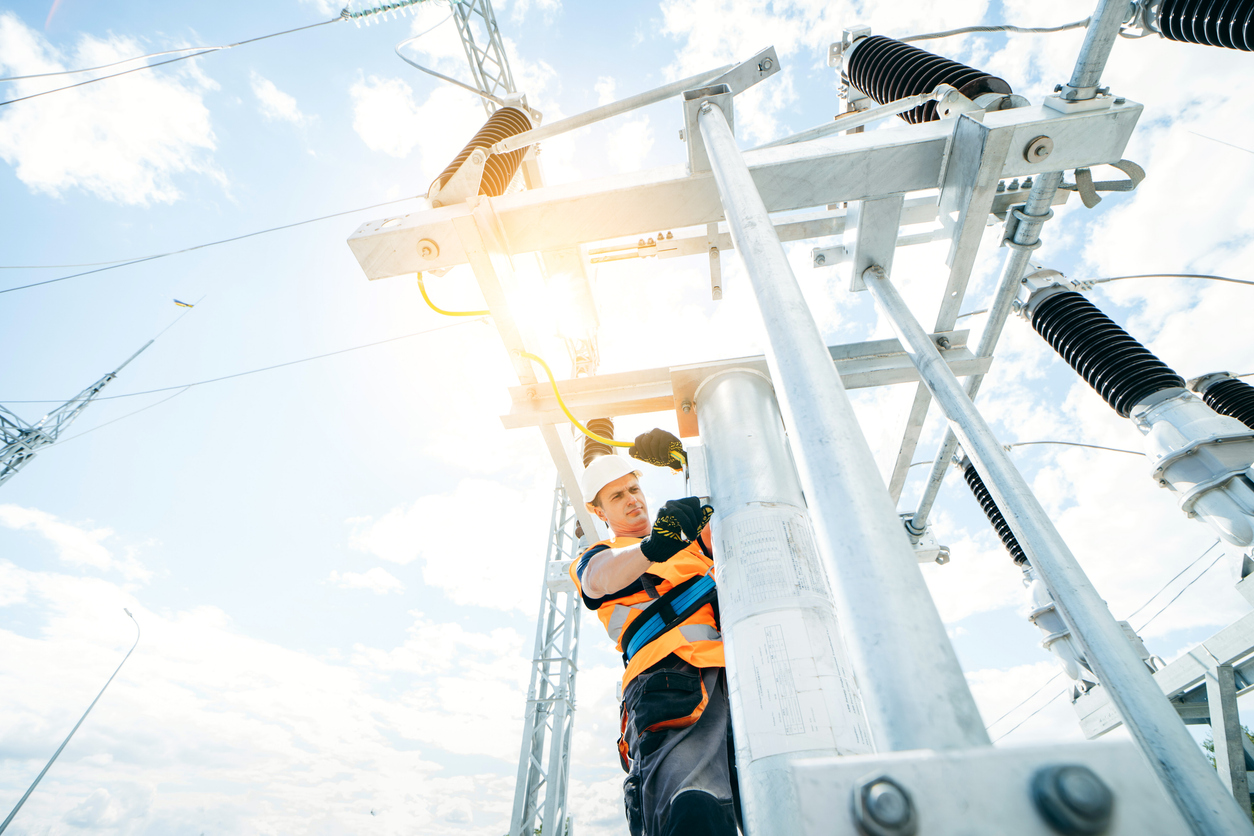
The Best 5 Questions to Ask Before Hiring Electrical Installation and Maintenance Northampton Experts 

You do not want to play around with getting the electrical systems in your business sorted. The improper decision may result in flickering lights, sketchy wiring, or even a real safety hazard. To get the right people to do Electrical Installation and Maintenance Northampton services, it is important to ask the right questions. 


What are your Qualifications and Certifications? 


This is a no-negotiation one. A decent electrician ought to possess the right qualifications. Seek NICEIC membership or other similar qualifications. These are not just initials after their name, they are the evidence that the individual knows what he/she is doing with live wires. 


Any good Electrical Installation and Maintenance Northampton expert will be glad to produce his or her certificates to you. They have toiled to earn them. When a person becomes evasive when it comes to demonstrating their credentials, then that is a house-sized red flag. 


Part P certification is also relevant particularly when it comes to domestic work. It discusses compliance of electrical installation in homes with the building regulations. You do not want to find out later that your work is not legal. 


Have You Got Recent References and Examples? 


This is where it gets interesting. Everyone can say that they are very brilliant in their job. There is evidence in the form of real customers who have experienced the outcomes. Request contact information of new clients. The majority of good electricians have a list of satisfied customers who can vouch their work. 


Pictures aid in narrating the story as well. An installer ought to possess images of recent installations. Consumer units, lighting installations, rewiring work – these are details and quality of workmanship. They will want to flaunt it in case they are proud of their work. 


Do not accept what they say. Call those references. Inquire about their punctuality, cleanliness, ability to solve problems. Did they show up as they said they would? Leave it clean? Solve problems that emerged? 


How Do You Treat Health and Safety? 


Electricity kills. It is not dramatic to say that, it is a fact. Electrical Installation and Maintenance Northampton professionals ought to be serious about safety. They are expected to be insured properly, wear the appropriate protective gear and adhere to the safety measures. 


Enquire about their risk assessment. Good electricians do not simply come to the site and start pulling cables. They evaluate the work, recognise possible risks, and prepare. This involves safeguarding your house and family in the course of work. 


The equipment used in testing is of great importance. There should be the right testing at each level of modern electrical work. PAT testing, insulation resistance testing, RCD functionality – they are not optional extras. They are important safety measures that avert future troubles. 


Do you warrant your work? 


This is the question that puts the professionals and the cowboys apart. Quality electricians have the right guarantees on their work. Not a handshake and a promise – written warranties both of labour and of materials. 


Knowing what is included, one can control the expectations. There are guarantees which cover manufacturing defects in parts. Others comprise workmanship problems. The most excellent Electrical Installation and Maintenance Northampton firms provide coverage that is all-inclusive and leaves you at ease. 


The duration of guarantee will give you an idea of the levels of confidence. The fact that they offer a one-year warranty implies that they are not so confident in their job. Five years or over? That is a person who has faith in what he/she does. 


What Do You Do When You Encounter Unforeseen Problems? 


The wrong happens. That’s life. Especially old buildings surprise. The cables are wired in strange spots. Past efforts were not well undertaken. Asbestos is found in places where it is not supposed to be.  


It is not a matter of whether or not there will be problems but how your selected electrician handles the problems. Do they go on strike and ask to be paid more? Or do they talk about options and collaborate with you to solve the problems? 


The style of communication is important in this case. Others of the Electrical Installation and Maintenance Northampton professionals are easy to understand as they put things in plain English. Others speak in some technical terms that make you dazed. You are seeking a person who will tell you what is wrong and what it implies to your project. 


Nailing the Details 


Prices are uncontrollably different in this industry. Others do it on an hourly basis. Some others quote a fixed price on a certain job. Learning the way costs operate eliminates unpleasant surprises when the bill comes. 


The grey area may be materials. Are you retailing or paying trade? Are they charging mark ups on components? This is open to some electricians. Some hide their expenses in the labour charges. 


The expectations in terms of timeline should be established early. Electrical work is usually reliant on other trades. Plastering, decorating, flooring – all this may be under the electrical schedule. Planning avoids wastage of time and frustration. 


The minor details also count. Who makes good when cables are run? Are they coming with dust sheets? Will they clean up? These questions may be trivial, but they influence your everyday life in the course of the work. 


Obtaining quotes of various contractors will make you know the market. However, do not settle on the cheapest. In other cases it is cheaper to pay more now and save the trouble later. Good work endures more and brings less trouble. 


Follow your feelings. When there is something wrong about a prospective contractor, it is likely to be so. The good electrician to handle your electrical needs will be honest with the answers, will tell you how he will do it, and will make you feel good about what will be done. 

Garage Door Motors – Advanced Technology

Garage doors that are electrically operated will use a motor to open the garage door. This motor will usually be attached to a remote control system that allows the garage door to be opened without the operator needing to be right next to it. The garage door can even be connected up to smart home systems, meaning the door can be operated using a WiFi connection. However, the main thing that the garage door will rely on is that one motor. If this fails, the whole garage door fails. Some motors are more powerful than others, and some will certainly be significantly quieter, too. The garage door needs to be fitted with good technology and a quality motor to ensure that it will keep working as expected and will operate quickly, smoothly and quietly. Look into the motor before buying a garage door and make sure the technology you select is advanced enough to make it relevant for the next few years at least.

Is it Safe to Perform Lifts By Hand?

It’s difficult to know whether it’s safe to perform lifts by hand. It will depend on so many factors. How heavy is the load? Is it an awkward shape? How far does it need to be moved? Will the lift simply be performed vertically, or does the load need to travel as well? This is why lifting equipment such as furniture movers, hydraulic jacks and winches can help. They can make the process of lifting a load safer and easier for everyone involved so there are fewer concerns about how it is performed.

Of course lifting equipment still needs to be used in a highly regulated way, adhering to all safety standards and manufacturer’s instructions. Capacities should never be exceeded and equipment needs to be checked over on a regular basis – visually, it should be checked daily. All these steps will lead to safer lifting processes for all involved working on site.

Moving Skates – Promoting Safety

Safety is the main reason why you might use lifting and material handling equipment, providing you with all that you need to keep your staff safe – as long as they know how to use all equipment properly. Moving skates can help you to keep staff members safe whilst carrying out lifting processes, preventing them injuring themselves if they had to lift loads by hand. They will be able to load them onto moving skates easily, secure them into place and make the lifting process much simpler.

Whilst moving skates are the perfect way to promote safety, it’s your duty of care to your staff to make sure they are all fully trained. If someone is new to lifting or they haven’t used this particular piece of equipment before, then they must be fully supervised and must complete adequate training before completing lifts on their own. Ongoing training for existing staff is also essential.

The Benefits of Using Handling Equipment in your Business

Unless you use handling equipment, people in your workplace will need to perform heavy lifts by hand. This is often costly, time consuming and could even be dangerous, especially if the loads people are lifting are particularly heavy. The option of using handling equipment is safer and better for your business, allowing you to look after your staff and also to run your business more efficiently. There are essentially no negatives to using these kinds of equipment in your day-to-day business. Even when you have to pay more to invest in your handling and lifting equipment, it will pay for itself as you maximise efficiency.

When you are choosing handling equipment, it must be needs based. You should consider the types of lifts that you perform, then research the kinds of equipment that will be most beneficial to your particular business. There are many different options to choose from, making your investment more relevant and more financially viable.

These are some of the most common types of lifting equipment and the ways in which they can help you:

  • Machine skates and load moving skates. These skates can take heavy loads, often up to 100 tonnes. This makes them strong and versatile, suitable for a number of lifts. You can select furniture movers that come in pairs and support the load as a pair, or heavy duty machine moving skates.
  • Lifting jacks. These will help you during the loading process, jacking up a load to move it onto a forklift, or another type of lifting equipment. This helps simplify the process and you can get various types to help you, including bottle jacks, trolley jacks, axle stands, forklift jacks, steel jacks and high lift off road jacks.
  • Crow bars and pinch bars. Working in conjunction with jacks, bars are used underneath a load to lift it enough to load it safely. Lifting systems are always the most beneficial to you when you have the right kinds that will work together.
  • Drum handling equipment. This will be specialist equipment for loading and emptying drums, making the process of handling them safer and easier. Without effective drum handling equipment, it can be hard to move these awkward loads.
  • Pallet trucks. Designed specifically to carry pallets, a pallet truck will move their loads manually, or using electricity. You can select the type that is right for your loads and the budget you have available. They are perfect for moving loads safely and easily around larger areas, like a workshop.
  • Handling trucks. These are the ideal solution if you want to move loads by hand. They are beneficial because they aren’t a huge investment price wise, but they can make a big difference to operatives in your warehouses and stock rooms.

Handling equipment gives you more control over handling processes; it will always be a good investment for your business when used properly. Consider how handling and lifting equipment could simplify and speed up processes, giving you instant value for money and, ultimately, making work safer for operatives.

Medium Cost Energy Saving Tips

Have you ever considered a heating control for your house? This is a great idea, if you’re looking to have set times for when the heating comes on in your house. Having a thermostat and programmer installed maybe costly at first, but can save you around £100 a year. Ideally it should pay for itself in the long-run. Interesting fact – turning your thermostat down by one degree can save you around £75 a year!

Another option to look into is loft insulation. The Energy Saving Trust has found that having around ten inches of loft insulation can save you up to £150 a year. Again this option may cost a lot to put in place, but will pay itself off in the long-run.

Low Cost Energy Saving Tips

Nearly all electrical appliances can be turned off at the plug without causing any issues. The only appliances which may need to stay on are digital recorders which may need to record/update during the time that you plan to turn the device off. The Energy Saving Trust have worked out that a typical household can save £45+ a year, just by following this simple procedure.

You can also save the same amount by following similar steps in the kitchen. For example setting your washing machine to 30°C will help save money straight away. We recommend you follow these tips and keep a lookout for more energy saving tips in the future.

Quick Tips To Save On Your Electricity Bill (Part 2)

A continuation from our post last week regarding energy tips!

Also consider going solar if possible. Back in the day the thought would be extremely expensive, but nowadays it’s much more financially viable. Of course the other option is just not to use as much energy in the first place!

If you have fridge older than 15 years, consider replacing it with a more energy efficient model. The old fridges were more electricity hungry, compared to the Grade A models available now. According to some sources, you can save up to £100 a year, which means your new fridge would be paid off within 4-6 years (depending on model).


Quick Tips To Save On Your Electricity Bill (Part 1)

Bills, bills, bills, all they seem to do is increase nowadays. Utility bills especially seem to be the most costly. It doesn’t help that we live in a world which is technologically-driven, meaning rising electricity costs.

First, probably the most obvious but we would recommend turning off the lights whenever you’re not in that said room. There’s no reasoning in keeping a light on, when no one is in the room. Every little helps, so even if it’s for 5 minutes, turn off those lights!

Also consider unplugging your devices when not in use. It doesn’t matter if the power is off, some devices still use 10% energy because they’re still plugged in.